

 English
 日本語
日本語 Deutsch
 عربى
عربى 中文
中文
十六年にわたる太陽光架台の製造実績 
製品情報 
会社ビデオ
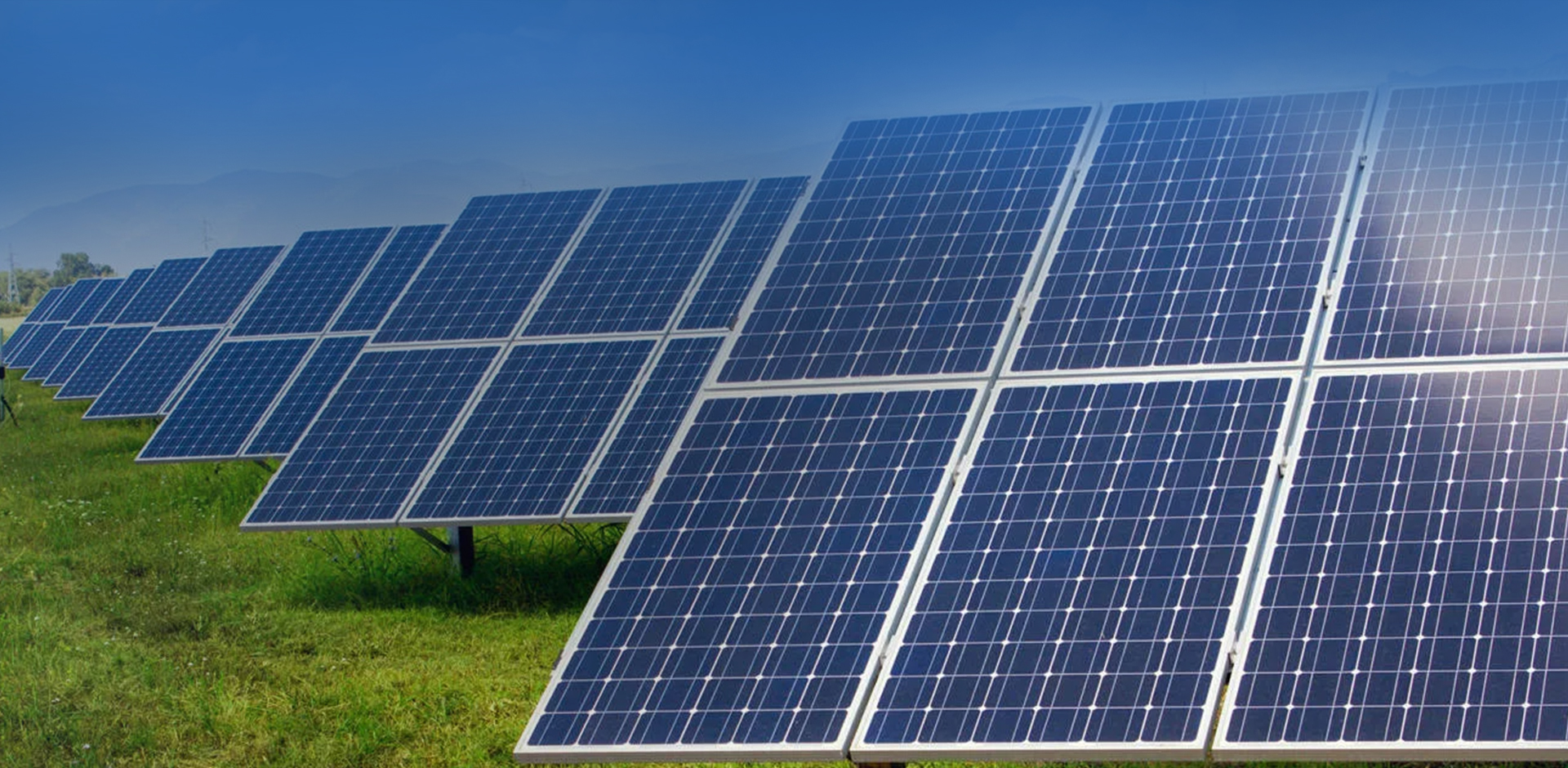
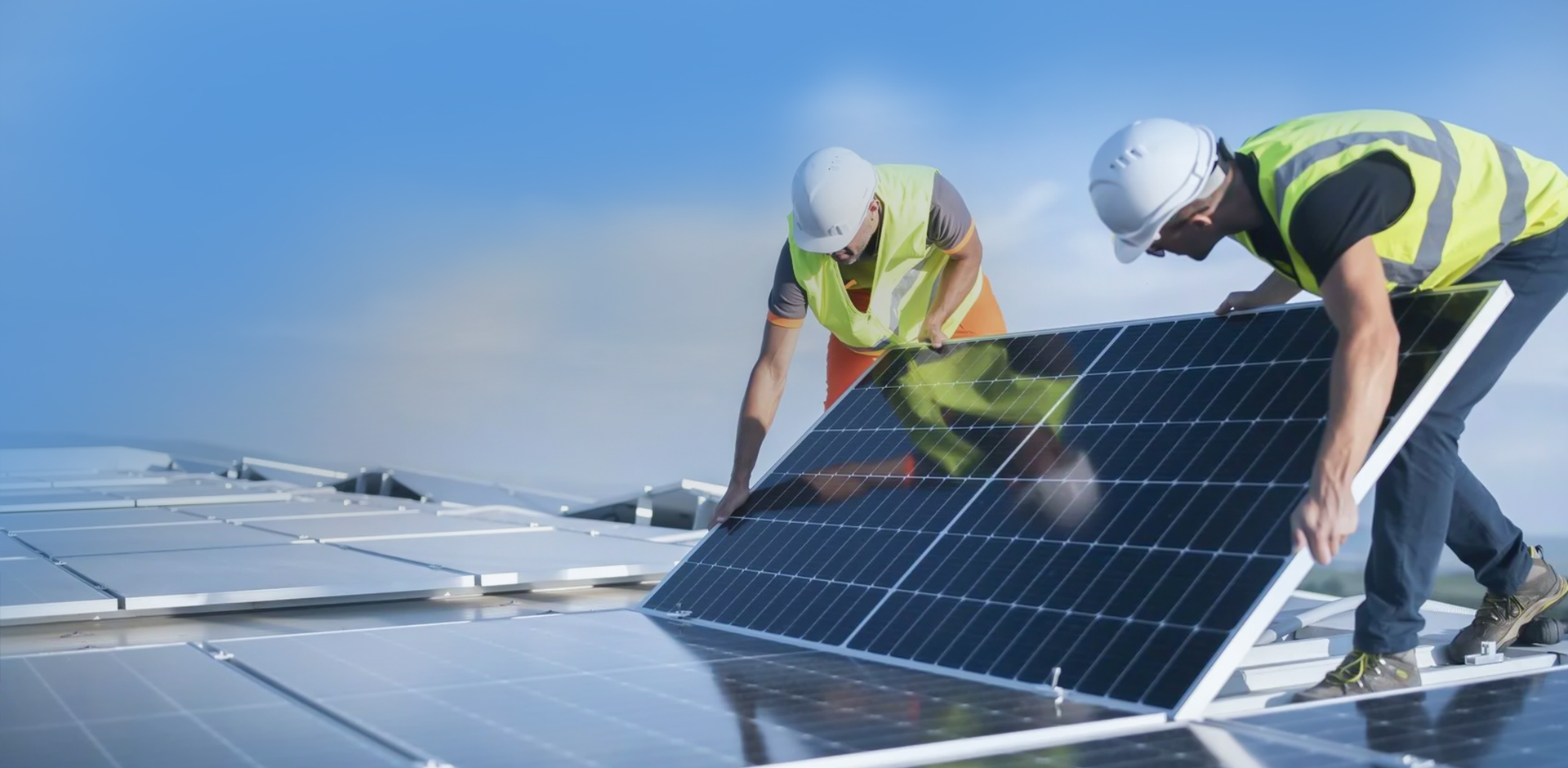
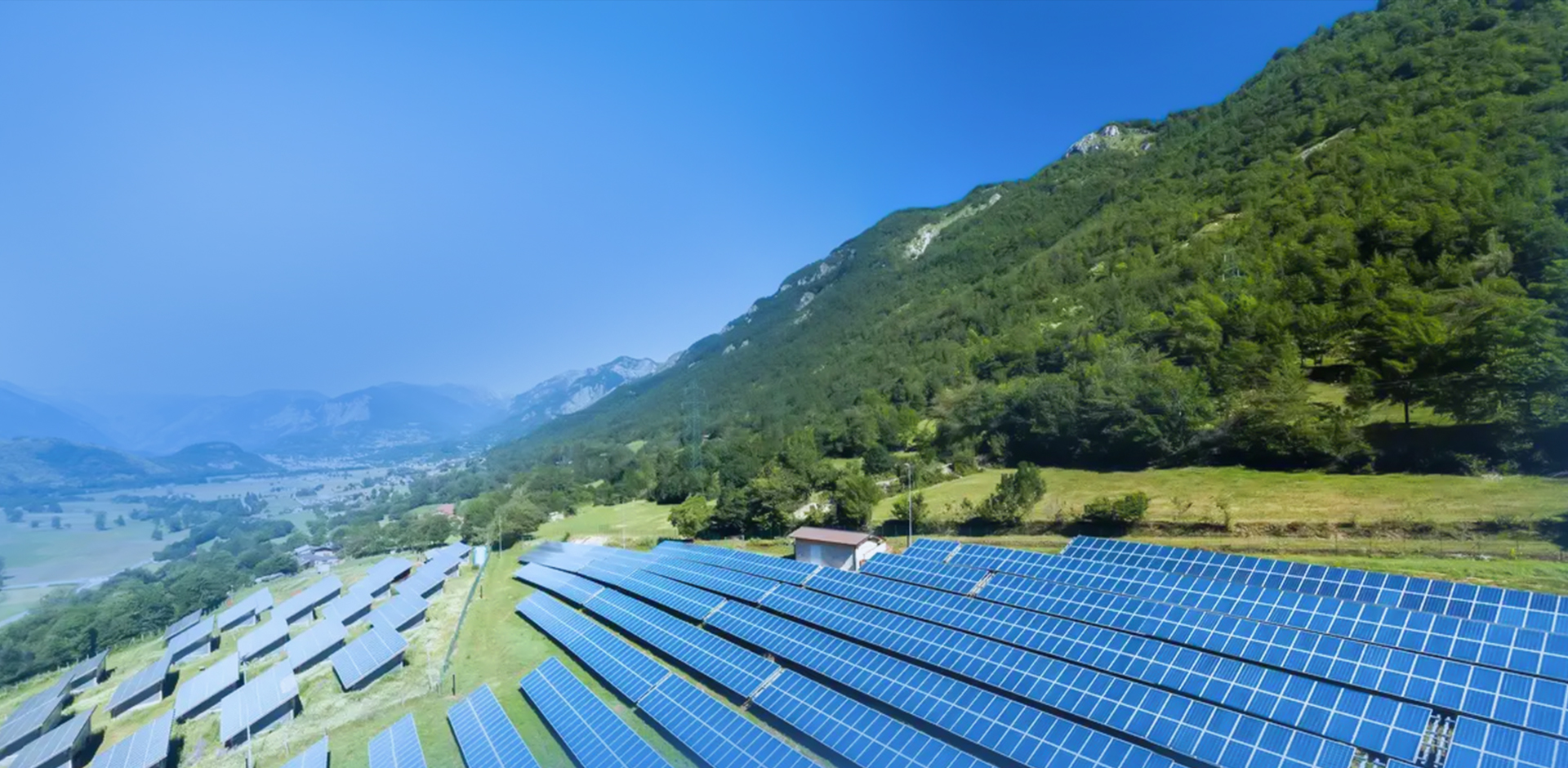


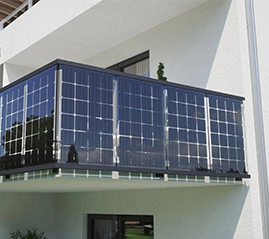
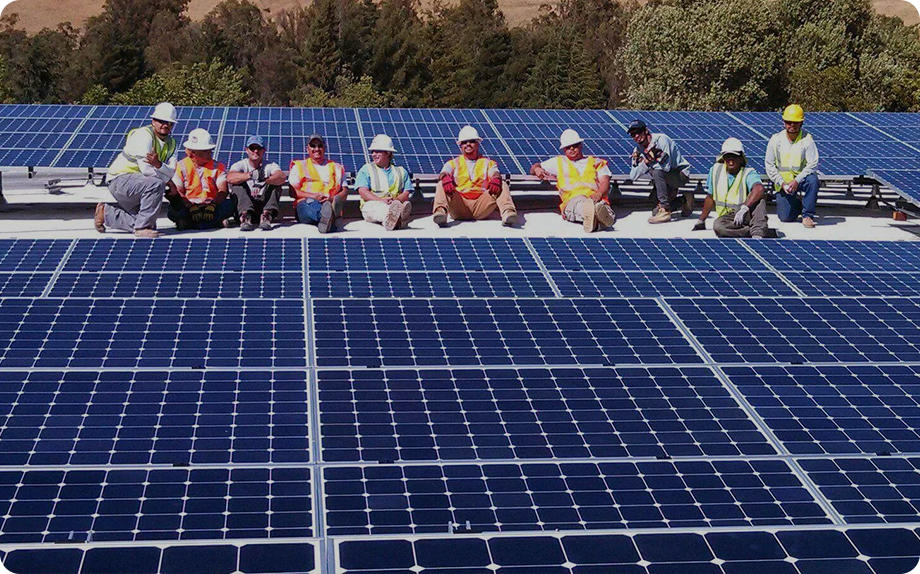

標準生産ライン

年間生産能力

特許数

技術スタッフ
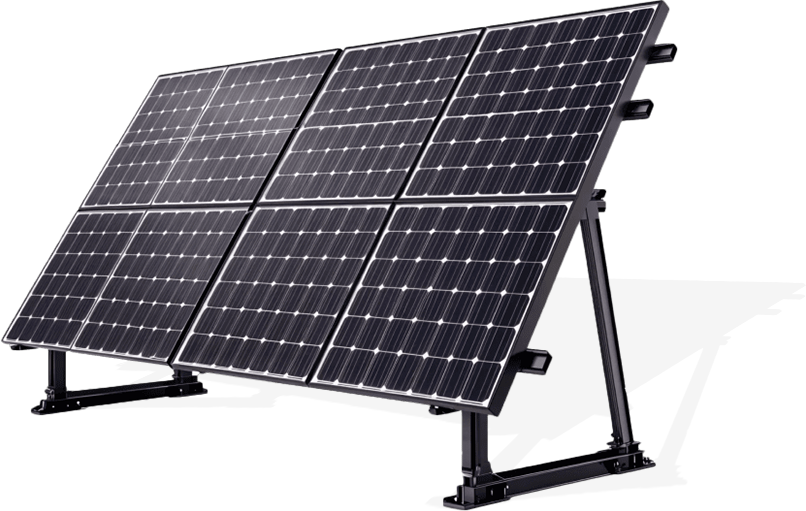
 技術サポート
柔軟かつ迅速な技術対応により、構造計算書・シミュレーション解析・現地試験などを的確にご提供。スムーズなプロジェクト進行をサポートします。
 サービス対応
設計から施工完了まで、技術・商務の両面でトータルサポート。アフターサービス体制も整っており、安心してお任せいただけます。
 開発チーム
開発チーム
50名以上の専門開発チームと、約100件の特許を保有。お客様のニーズに応じたカスタマイズ設計にも柔軟に対応可能です。
 認証
認証
品質マネジメントシステム認証および3A企業信用等級の取得により、製品の信頼性と企業の信用力を証明しています。
 品質保証
品質保証
品質管理プロセスに基づき、高品質な製品を安定供給。お客様に安心と信頼をお届けします。
 生産体制
生産体制
5S管理手法を導入し、年産能力3万トンを実現。設計・製造・施工の豊富な経験を活かし、スピーディーかつ高品質な納品を可能にしています。
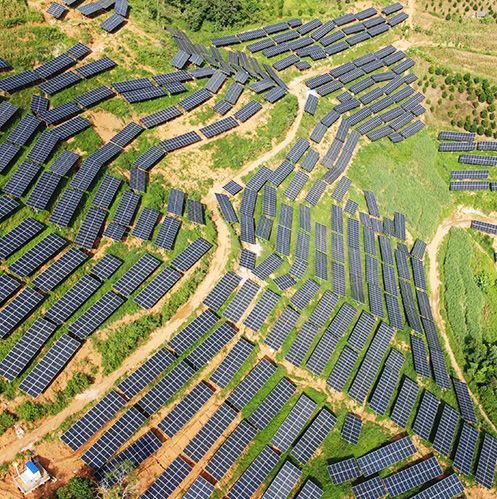
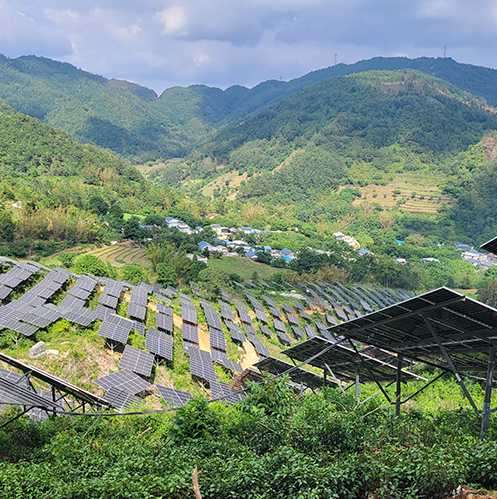




 2026/09/17
BIPV の設置が完了してから 7 か月後に、商業ビルの天井に水の汚れが現れました。ソーラーパネルはまだ仕様通りに生産されていたが、詳細が不十分な取り付けレールに沿って水が侵入していた。その詳細が、真の建物一体型太陽光発電製品と、単に屋根の上に設置される太陽電池アレイとの違いです。 BIPV メーカーを評価するプロジェクト チームは、ピーク時のモジュール効率を超えて、各サプライヤーが防水、構造の動き、材料の適合性、設置品質などの建物の外壁にどのように対応しているかを比較する必要があります。選択はソーラーパネルだけに関するものではありません。 BIPV メーカーが実際に提供しているもの BIPV は単一の製品ではありません。建物一体型 PV システムには、少なくとも、太陽光発電モジュール、電気接続、構造支持プロファイル、耐候性バリアが含まれます。名前の「統合」は、これらの要素がどのように建物の外皮に結合されるかを指します。 メーカーは、管理対象によって次のように分類できます。 太陽電池モジュールメーカー BIPV 用に設計されたラミネートまたはフレーム付きパネルを提供します。それらはセルのレイアウト、電気データ、そして多くの場合、外観を設定します。 建築エンベロープ会社 屋根またはファサードのプロファイル、水切り、断熱材、ガラスに貢献します。彼らの強みはエンベロープですが、PV の経験は浅いかもしれません。 太陽光発電設置専門メーカー モジュールを構造物に結合するレール、ブラケット、防水プロファイル、クランプを設計します。通常、標準モジュールを使用して動作し、プロジェクト固有のエンジニアリングを提供できます。 建物の所有者にとって実際的な問題は、壁や屋根の組み立て全体に対して誰が責任を負うのかということです。基礎構造を指定せずにモジュールサプライヤーを選択した場合、防水性と構造性能が 2 つの契約の間のギャップに陥る可能性があります。 このギャップを減らす 1 つの方法は、すでにインターフェースを定義しているパートナーからモジュールと実装システムを調達することです。などの企業 サンイースト・ニュー・エナジー 取り付けフレームワークの荷重テーブルと設置ガイドを公開します。 取り付けシステムが故障のリスクを定義する理由 初期の BIPV 障害のほとんどは、セルの劣化が原因ではありません。それらは、水の浸入、切断端の腐食、熱サイクル下でのファスナーの緩み、または閉じたキャビティ内の結露によって発生します。取り付けシステムは、PV モジュールの膨張、収縮、換気を可能にしながら、水を外部に保持する必要がある層です。 BIPV サプライヤーのタイプの一般的な範囲と、それぞれが管理するリスク領域。 サプライヤーの種類 一般的な範囲 防水管理 最適な用途 太陽電池モジュールメーカー ラミネートおよびフレーム付きモジュール 通常はモジュールフレームとジャンクションボックスに限定されます 別の建物外壁システムがすでに存在するプロジェクト 建築外皮メーカー 一体型太陽光発電を備えた屋根またはファサードパネル 高い、建物の外皮が製品であるため 新築と屋根の全面葺き替え 太陽光発電架台専門メーカー レール、クランプ、防水プロファイル、および取り付けガイド 高、プロファイル システムが雨水流出についてテストされている場合 改修プロジェクトとカスタム屋根形状 専門の取り付けメーカーは、モジュール メーカーの電気的保証に代わることはできませんが、設置を耐候性に保つ防水および構造エンジニアリングを提供できます。 BIPV 建築が別個の防水プロファイルを使用する場合、取り付けメーカーの図面が屋根請負業者にとって重要な参考資料になります。 工業用の低傾斜屋根の場合、多くの施工業者は炭素鋼製の防水 BIPV 取り付けプロファイルを比較します。これは、材料がより長い距離に渡ってより高い風荷重に耐えられるためです。 工業用屋根用 M 型炭素鋼防水 PV マウント このスチールベースの防水取り付けシステムは、長いスパンと高い耐風性を必要とする低傾斜の工業用屋根に適しています。 M 字型のプロファイルと密閉設計により、構造と漏れの問題の両方に対処できるため、BIPV を指定する前の実用的なオプションになります。 製品を見る→ BIPV メーカーの主要な評価基準 サプライヤーが BIPV を提供できると言ったら、システムを図面に載せる前に 6 つのことを確認してください。 防水方法: このシステムはシーラントのみに依存しているのでしょうか、それともインターロックプロファイル、ガスケット、ドリップエッジを使用しているのでしょうか?シーラントのみの接合部はすぐに劣化します。 データをロードします: 風揚力と積雪荷重の評価をリクエストしてください。それらが有限要素解析、物理的テスト、またはコードから来たものであるかどうかを尋ねます。 材料の保護: 鋼の場合、どのようなコーティング システムが使用され、切断端はどのように処理されますか?アルミニウムの場合、ガルバニック接点はスチール製ファスナーからどのように絶縁されますか? 熱の動き: 許容されるモジュールサイズとクランプ間隔はどれくらいですか?長距離走行用のスライド接続はありますか? インストールの順序: 屋根貫通部は何本必要ですか?大きなセクションを分解せずに単一のモジュールを交換できますか? ドキュメントとサポート: 図面にはエンジニアが署名していますか?サプライヤーは設置トレーニングと完成時の文書を提供しますか? これらの質問により、実際の現場経験を持つサプライヤーとハードウェアのみを供給するサプライヤーが区別されます。 最終候補者リストに出す前に、材料の選択を比較してください BIPV 取り付けプロファイルは通常、炭素鋼またはアルミニウム合金で作られています。どちらが一般的に優れているというわけではありません。どちらを選択するかは、屋根の荷重、腐食環境、コストによって異なります。 炭素鋼とアルミニウム合金の BIPV 防水取り付け: 一般的なトレードオフ。 プロパティ 炭素鋼 アルミニウム合金 強度対重量 高い強度。重いセクション 軽量化。同じ負荷に対してより多くのプロファイルが必要になる場合があります 耐食性 コーティングによって異なります。カットエッジは処理が必要です 自然な耐腐食性。それでもガルバニック接触を避けてください コスト 材料費の削減 材料費が高くなる 一般的な使用方法 工業用平屋根、大きなスパン、大雪荷重 改修プロファイル、海岸環境、湾曲屋根または軽量屋根 既存の屋根構造が耐えられる重量が主な制限である場合、アルミニウム プロファイルが選択されることがよくあります。アルミニウム合金の防水 BIPV 取り付けシステムは、軽量のプロファイルが建物のグリッドと位置合わせしやすいため、金属屋根やファサード一体型太陽光発電によく選ばれています。 重量に敏感な屋根用の W タイプ アルミニウム合金防水 PV マウント 既存の構造により重量が制限される金属屋根に代わる軽量アルミニウムの代替品です。その W 字型のプロファイルは排水とシールを統合し、耐食性と工具不要の組み立てを提供します。これは、BIPV オプションを比較したり、警告標識を確認したりするときに特に重要です。 製品を見る→ BIPV 提案における危険信号 技術文書はさまざまですが、弱い BIPV オファーには特定の警告サインが定期的に現れます。 荷重テーブルが存在しないか、プロジェクトのジオメトリに一致しない一般的なスパン チャートのみが存在します。 防水は、インターロックプロファイルや統合された樋を使用せずに、「すべての接合部にシーラントを塗布する」と説明されています。 切断、穴あけ、または現場での修正後の鋼製プロファイルには明確な防食効果がありません。 保証はモジュール出力をカバーしますが、アセンブリの防水性は除きます。 BIPV の設置公差は標準的な屋根用太陽光発電よりも厳しいにもかかわらず、設置トレーニングや現場サポートはありません。 取り付け設計を管理し、取り付けガイダンスを提供するサプライヤーは、エンジニアリング図面と屋根工事との間のギャップを減らすことができます。サンイーストの経験 太陽光発電ラックとグリーンビルディングの開発 は、サポートが製品範囲にどのように統合されているかを示す一例です。 BIPV メーカーを最終候補に挙げる方法 まず、建物のタイプ、屋根の傾斜、モジュールのサイズ、耐候性バリアの責任者を定義します。次に、単純なフィルターを使用してメーカーを比較します。 屋根一体型、ファサード、またはキャノピーなど、エンベロープに一致する BIPV 製品カテゴリを選択します。 最初のお問い合わせで負荷計算と雨水管理の詳細をリクエストしてください。 メーカーが水切り、エンド キャップ、クランプ プロファイル、交換部品を含む完全なシステムを提供していることを確認してください。 プロファイルのコストだけでなく、設置コストも比較してください。付属品、労力、リスクを追加すると、キログラムあたりの小さな価格差は小さくなります。 屋根の形状や気候が似ているプロジェクトから参考資料を求めます。 BIPV メーカーの選択は、範囲を正直に定義することから始まります。プロジェクトがエンベロープの完全な交換である場合、リードメーカーは構造と耐候性バリアの両方を所有する必要があります。健全な既存の屋根に太陽光発電を後付けする場合、専門の取り付け業者が最も強力なコントロールポイントになる可能性があります。どちらの場合も、単一のモジュールを指定する前に、負荷データ、防水の詳細、腐食保護、設置サポートに基づいて決定する必要があります。 .article-section table{display: table!important;}.article-section thead{display: table-header-group!important;}.article-section tbody{display: table-row-group!important;}.article-section tr{display: table-row!important;}.article-section th{display: table-cell!important;}.article-section td{display: table-cell!important;}.article-section table caption{caption-side:bottom;font-size:16px;margin-bottom:12px;font-style:italic;color:#808080;}.article-section th{font-weight:bold;border:1px solid #cccccc;padding:8px;}.article-section td{border:1px solid #cccccc;padding:8px;}.article-section ol{margin-bottom:12px;list-style-type:decimal;list-style-position:inside;padding-left:0;}.article-section ul{margin-bottom:12px;list-style-type:disc;list-style-position:inside;}.article-section li{list-style:inherit;font-size:16px;margin-bottom:6px;}.article-section h2{font-size:22px;font-weight:bold;text-align:left;margin-bottom:12px!important;}.article-section h3{font-size:16px;font-weight:bold;text-align:left;margin-bottom:12px;}.article-section p{font-size:16px!important;margin-bottom:12px;} .product-card{display:block;margin:20px 0;border:1px solid #e5e7eb;border-radius:10px;overflow:hidden;font-style:normal;background:#fff}.pc-inner{display:flex;text-decoration:none;color:inherit;align-items:center;min-height:120px}.pc-img{width:160px;min-width:160px;aspect-ratio:4/3;height:auto;min-height:120px;object-fit:cover;flex-shrink:0;display:block;align-self:stretch}.pc-body{padding:12px 16px;flex:1;min-width:0;display:flex;flex-direction:column;align-self:stretch;justify-content:center}.pc-title{display:block;font-size:15px;font-weight:600;color:#111;margin:0 0 6px;line-height:1.4}.pc-desc{display:-webkit-box;font-size:13px;color:#6b7280;margin:0 0 8px;line-height:1.5;overflow:hidden;-webkit-line-clamp:2;line-clamp:2;-webkit-box-orient:vertical}.pc-cta{display:block;font-size:13px;font-weight:600;color:inherit;margin-top:auto}.pc-inner:hover .pc-title{text-decoration:underline} .article-section a:not(.pc-inner),article a:not(.pc-inner){color:inherit}.pc-cta{color:inherit!important}
2026/09/17
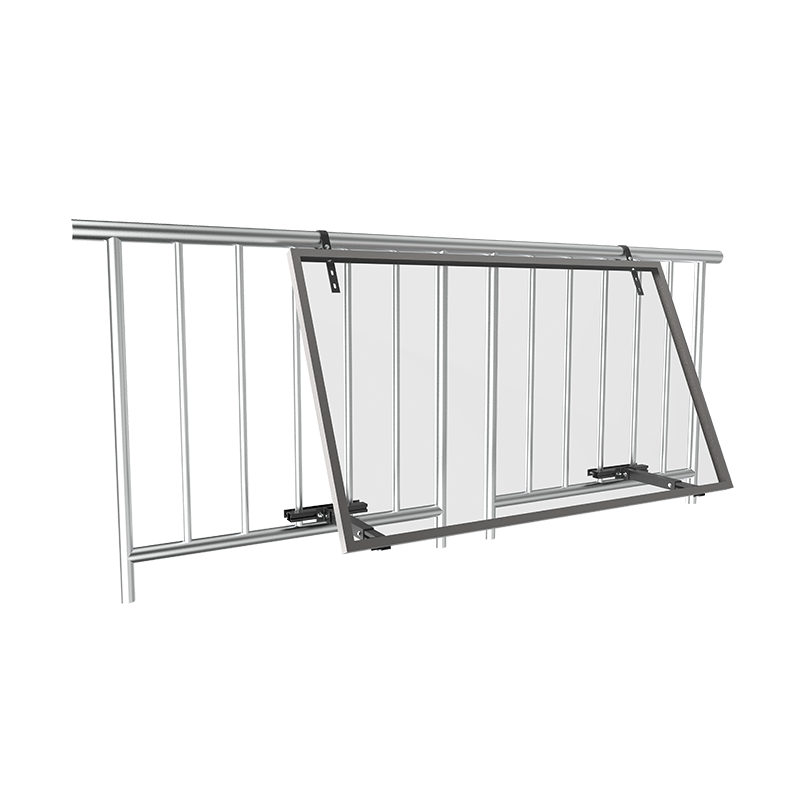
2026/09/10420 W のソーラー パネルがバルコニーの手すりに立てかけられ、バーゲン キットの 2 つのプラスチック クランプとテープで固定されています。最初の秋の嵐の後、パネルは 2 階下の中庭で発見されました。この光景は毎年繰り返され、原因はほとんどいつも同じです。バルコニーの太陽光発電設置システムが後付けとして扱われたのです。 バルコニー太陽光発電設置システムは、プラグイン式バルコニー発電所の構造の中核です。モジュールを手すり、壁、または床に固定します。傾斜角度を設定します。風荷重を建物構造に伝達します。そして、ほとんどの賃貸アパートでは、ドリル穴を 1 つも開けずにこれらすべてが行われます。パネルとマイクロインバータが注目を集めますが、システムが突風に耐えられるかどうか、家主が承認するかどうか、そして年間どれくらいの電力を発電するかはマウントが決定します。 まず結論として、手すりのプロファイルに適合し、文書化された風荷重データを保持し、耐食性の材料を使用する取り付けシステムを選択してください。マウントがこれら 3 つの点を満たせない場合、それを補うのに十分なパネルはありません。 バルコニー太陽光発電設置システムの実際の機能 バルコニーの太陽光発電設置システムは、パネルを所定の位置に保持するだけでなく、次の 4 つの役割を果たします。 風の安全性。 バルコニーモジュールは露出した表面です。建物の端の強風の状況では、マウントは正の風圧と吸引力の両方を手すりまたは壁に伝達します。最も強いモジュール フレームではなく、最も弱いクランプがシステムの制限を定義します。 角度制御。 パネルの傾きによって太陽光発電量が決まります。垂直固定マウントはシンプルですが、20 ~ 35 度の傾斜により、ほとんどの気候の南向きのバルコニーでより多くの電力を生成します。 建物の保護。 非貫通マウントはフック、クランプ、保護パッドを使用するため、手すりのコーティングに傷が付かず、穴も開けられません。それはレンタル契約と防水に関して重要です。 サービスへのアクセス。 適切なマウントではクリアランスが確保されているため、インバーター プラグに手が届き、バック シートを掃除したり検査したりできます。 バルコニーの取り付けタイプとそれぞれが機能する場所 手すりの形状は大きく異なるため、取り付け方法は建物に合わせて行う必要があります。以下の表は、バルコニー太陽光発電設置金具の 4 つのファミリーを比較しています。 ベランダ太陽光発電設置方法の比較 取付方法 最適な用途 主な利点 キーの制限 上部フック手すりマウント 金属、コンクリート、または複合材の手すり 穴あけ不要。工具不要で数分で取り付け可能 傾斜範囲が限られている。手すりのプロファイルと一致する必要があります サイドクランプ手すりマウント 平らな手すりとフェンスの支柱 高い耐風性と強力なグリップ力 特定の手すりの幅と形状が必要です 床置きフレーム 低い手すり、ガラス手すり、テラス 傾きを自由に調整可能。手すりに負荷がかからない 床面積を使用します。バラストウェイトが必要な場合があります 壁掛けブラケット 頑丈な外壁 非常に安定していてコンパクト 掘削と家主の許可が必要です トップフックのデザインは建物に影響を与えないため、賃貸バルコニーのデフォルトです。手すりが平らなスチールまたはアルミニウムのプロファイルで、風の強い場所では、サイド クランプの方が適しています。フロアフレームは、ガラスの手すりや、冬季に急な角度を望むテナントに適しています。壁ブラケットは最も剛性が高いですが、永続的に穴が開いてしまうため、通常は所有者が居住する住宅に限定されます。 確立されたメーカーの完全なキットは、これら 4 つのファミリーを適合するフック、レール、およびファスナーに変換します。 風荷重試験済みのハードウェアを備えたバルコニーソーラーマウントキット このバルコニー PV 取り付けシステムは、高強度アルミニウムまたは防錆鋼を使用しており、ファサードの風荷重に耐えられるモジュール式フック、レール、およびファスナーを備えています。エンジニアリング ドキュメントは、ハードウェアを手すりや突風の条件に適合させるのに役立ちます。 製品を見る→ 風荷重: マウントが本当の安全コンポーネントである理由 バルコニー パネルは帆のように機能します。標準的な 1.0 m × 1.7 m モジュールの面積は約 1.7 m² です。建物の端で 30 m/s の突風が吹くと、風のよどみ圧力はおよそ 0.55 kN/m² となり、取り付け金具には 900 N 以上(約 100 kg の重量に相当)がかかります。ファサードコーナーゾーンでは、吸引により合計がさらに上昇する可能性があります。パネル フレームは荷重の一部を支えますが、クランプ、ブラケット、および留め具は荷重のすべてを手すりに伝えます。 ヨーロッパの風荷重慣行 (EN 1991-1-4) では、バルコニーと屋根の端を高暴露ゾーンとして扱い、局所的な圧力係数がオープンフィールドの値を超えています。地上ではしっかりと感じられるマウントでも、高層ビルの 15 階では不十分な場合があります。最も一般的な失敗が非常に具体的に見えるのはこのためです。 上部の浅いフックにより、パネルが上昇気流で浮き上がります。 最初の強い突風で剪断する、軽量モジュール用のサイズのボルト。 指定外の合金を使用したアルミニウム製ブラケットは、亀裂が発生しやすいです。 建物の振動で緩んで外れるファスナー。 製品の後ろでテストされた風速または荷重計算をお問い合わせください。構造的基礎を示すことができないバルコニー太陽光発電設置システムは、単なる弱いコンポーネントではありません。それは落下物の危険です。 材料: 屋外で 10 年耐えられるもの バルコニー マウントは、雨、紫外線、気温の変化にさらされ、沿岸の建物では塩気にもさらされます。材料の仕様によって、製品が 5 年目と 10 年目にどのように機能するかが決まります。 アルミフレームとアーム。 陽極酸化または粉体塗装仕上げの 6063-T5 または 6061-T6 シリーズの押し出しアルミニウムを探してください。陽極酸化処理により耐食性が向上し、粉体塗装により耐久性が向上します。 ステンレススチール製の留め具。 ボルト、ナット、フックは 304 または 316 グレードのステンレス鋼である必要があります。 304 は 2 年以内に茶渋による腐食が発生する可能性があるため、海辺のバルコニーでは 316 を選択するのがより安全です。 EPDM保護パッド。 ゴム製の接触点は手すりのコーティングを保護し、振動を軽減し、アルミニウムと鋼が接触する部分の電解腐食を防ぎます。 サプライヤーがアルミニウム合金、ファスナーのグレード、または表面処理を記載できない場合、その製品は未検証として扱われます。これら 3 つの詳細は、製造コストがほとんどかかりませんが、これらによって 10 年間のマウントと 2 年間の故障が区別されます。 傾斜角と諦める収量 多くのバルコニー設置では、純粋に見た目をすっきりさせるために、パネルを手すりに対して垂直に取り付けます。垂直設置は簡単ですが、中北部の緯度にある南向きのバルコニーでは、年間収量のおよそ 5 分の 1 の費用がかかります。以下の相対値は、緯度 45 ~ 55°、南向きの場合の一般的な値です。 取り付け角度別の南向きバルコニーモジュールの相対年間収量 取付角度 相対年間収量 30° 傾斜、一般的な調整可能な手すりマウント 100% 45°傾斜 96-97% 90°垂直、パネルは手すりと平行 78-82% 正確な数値は緯度、方位、陰影によって異なります。目標は最後のパーセントを追うことではありません。しかし、30°と90°の間のギャップは十分に大きいため、調整可能なマウント、または少なくとも20〜35°の固定傾斜は、バルコニー太陽光発電の購入において最も価値のある決定の1つです。東または西のバルコニーではペナルティが小さいため、同じ高さの垂直マウントがより許容されます。 手すり取り付けシステムの実際の設置チェックリスト ほとんどの障害は、製品の品質だけでなく設置にまで遡ります。次の順序に従います。 ご注文前に手すりの構造(上部レールの幅、手すり子の間隔、材質)を確認してください。 4cmの手すり用に販売されているマウントは6cmの手すりではつかみません。 レンタルする場合は書面による承認を得てください。ドリル不要のマウントにより敷金は保護されますが、家主は屋外設置に同意する必要があります。 マウントの互換性リストを確認してください。フックまたはクランプは、装飾的なフィルピースだけでなく、メインレールを包み込む必要があります。 ブラケットを緩めに組み立て、パネルを置き、水平にして、フレームが歪まないように対角の順序で締めます。 すべてのボルトを手動値まで締めて、最初の風の強い日の後に再確認します。 DC ケーブルは、耐紫外線性のケーブル タイを使用し、鋭利なエッジを避けてドリップ ループで配線します。 パネルを動かさずにインバータとプラグにアクセスできるようにしてください。 バルコニー取付製品の調達段階での比較方法 ラッキングはバルコニーの太陽光発電予算のほんの一部ですが、リスク全体をコントロールします。見積もりを比較するときは、次の基準を使用します。 ドキュメント。 設置マニュアル、トルク表、定格荷重または風速は、組み立てられた付属品から設計製品を区別します。 手すりの互換性。 サプライヤーは、マウントが適合する形状と幅を明記する必要があります。柔らかいゴムのみを圧縮するユニバーサルクランプは危険信号です。 腐食防止。 アルミニウムの仕上げとファスナーのグレードを確認します。沿岸に設置する場合は、316 ステンレス鋼を要求する必要があります。 スペアパーツ。 最終的にはブラケット、ボルト、またはパッドが必要になるため、標準の留め具を備えたモジュラー設計が最適です。 保証と歴史。 プロジェクト参照を公開し、何年もラックに携わっているメーカーは、責任を追及しやすいです。 見積もりが安すぎると思われる場合は、荷重データ、表面処理、ステンレス製ファスナー、保護パッドなど、何が不足しているかを確認してください。故障したマウントを交換すると、通常は節約よりもコストが高くなります。 他の人工構造物を購入するのと同じようにマウントを購入してください バルコニーの太陽光発電取り付け金具は、縮小された本格的な PV ラックと同じ工学分野に属します。屋根、グラウンドアレイ、漁業と太陽光発電のハイブリッド、カーポートの構造システムを設計してきたメーカーは、風荷重、腐食、フィールドサービスにおける応用可能な経験をもたらします。たとえば、Suneast New Energy は 2009 年から PV 架台システムを製造しており、ISO 品質認証と複数の特許を取得し、2023 年には 1.5 GW 以上の分散ラックを供給すると報告しています。15 階の手すりにパネルを設置する場合、その歴史は重要です。 フルレンジ ラック メーカーがこの製品にどのように取り組んでいるかを確認するには、まず製品の概要から始めます。 現代の住宅向けの環境に優しいソリューションとしてのバルコニー PV 取り付けシステム 、次にその設計を比較します。 同社の幅広いラックポートフォリオ 。どちらも同じ調達レビューに属します。 角度調整可能なバルコニー PV 手すり取り付けシステム 高層階の安全のため、角度調整可能なブラケット、防風ロック、落下防止機能を備えた軽量の手すりに取り付けられたソリューションです。住宅のバルコニーや小規模な分散型太陽光発電設備に適しており、性能と建築上の美しさのバランスが取れています。 製品を見る→ 結論 バルコニー太陽光発電設置システムは構造コンポーネントであり、付属品ではありません。マウントを実際の手すりに合わせ、風荷重の基礎と材料を確認し、トルク仕様に従って取り付けます。文書化されたエンジニアリングと現場履歴を持つメーカーを優先します。そうすれば、マウントは10年間背景に消えます。これをスキップすると、通常はパネルが降下する途中で、最初に失敗します。 .article-section table{display:table!important;}.article-section thead{display:table-header-group!important;}.article-section tbody{display:table-row-group!important;}.article-section tr{display:table-row!important;}.article-section th{display:table-cell!important;font-weight:bold;border:1px solid #cccccc;padding:8px;}.article-section td{display:table-cell!important;border:1px solid #cccccc;padding:8px;}.article-section caption{caption-side:bottom;font-size:16px;margin-bottom:12px;font-style:italic;color:#808080;}.article-section ol{margin-bottom:12px;list-style-type:decimal;list-style-position:inside;padding-left:0;}.article-section ul{margin-bottom:12px;list-style-type:disc;list-style-position:inside;}.article-section li{list-style:inherit;font-size:16px;margin-bottom:6px;}.article-section h2{font-size:22px;font-weight:bold;text-align:left;margin-bottom:12px!important;}.article-section h3{font-size:16px;font-weight:bold;text-align:left;margin-bottom:12px;}.article-section p{font-size:16px!important;margin-bottom:12px;} .product-card{display:block;margin:20px 0;border:1px solid #e5e7eb;border-radius:10px;overflow:hidden;font-style:normal;background:#fff}.pc-inner{display:flex;text-decoration:none;color:inherit;align-items:center;min-height:120px}.pc-img{width:160px;min-width:160px;aspect-ratio:4/3;height:auto;min-height:120px;object-fit:cover;flex-shrink:0;display:block;align-self:stretch}.pc-body{padding:12px 16px;flex:1;min-width:0;display:flex;flex-direction:column;align-self:stretch;justify-content:center}.pc-title{display:block;font-size:15px;font-weight:600;color:#111;margin:0 0 6px;line-height:1.4}.pc-desc{display:-webkit-box;font-size:13px;color:#6b7280;margin:0 0 8px;line-height:1.5;overflow:hidden;-webkit-line-clamp:2;line-clamp:2;-webkit-box-orient:vertical}.pc-cta{display:block;font-size:13px;font-weight:600;color:inherit;margin-top:auto}.pc-inner:hover .pc-title{text-decoration:underline} .article-section a:not(.pc-inner),article a:not(.pc-inner){color:inherit}.pc-cta{color:inherit!important}
2026/09/10
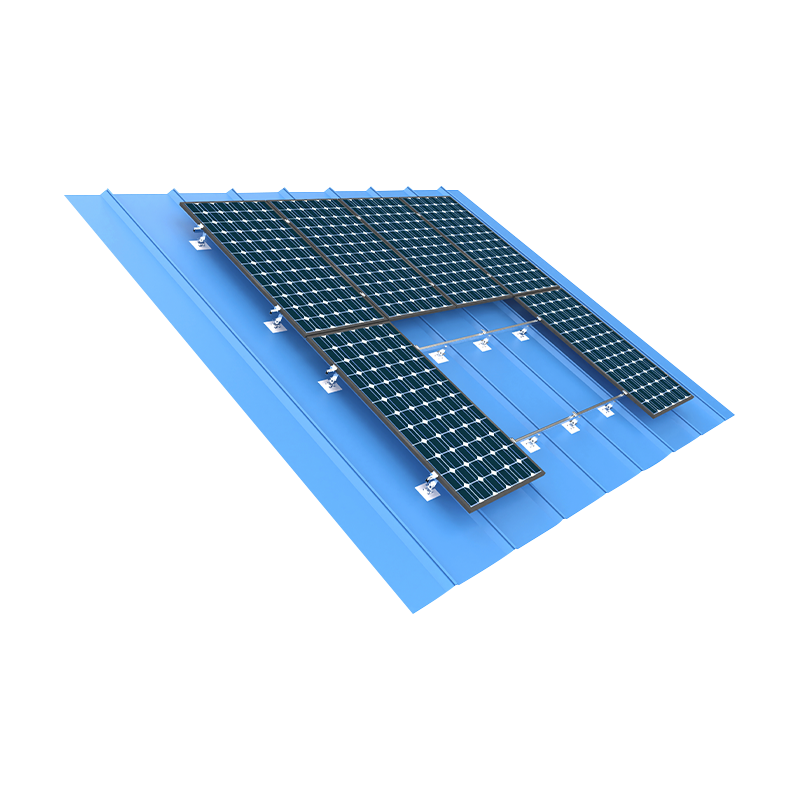
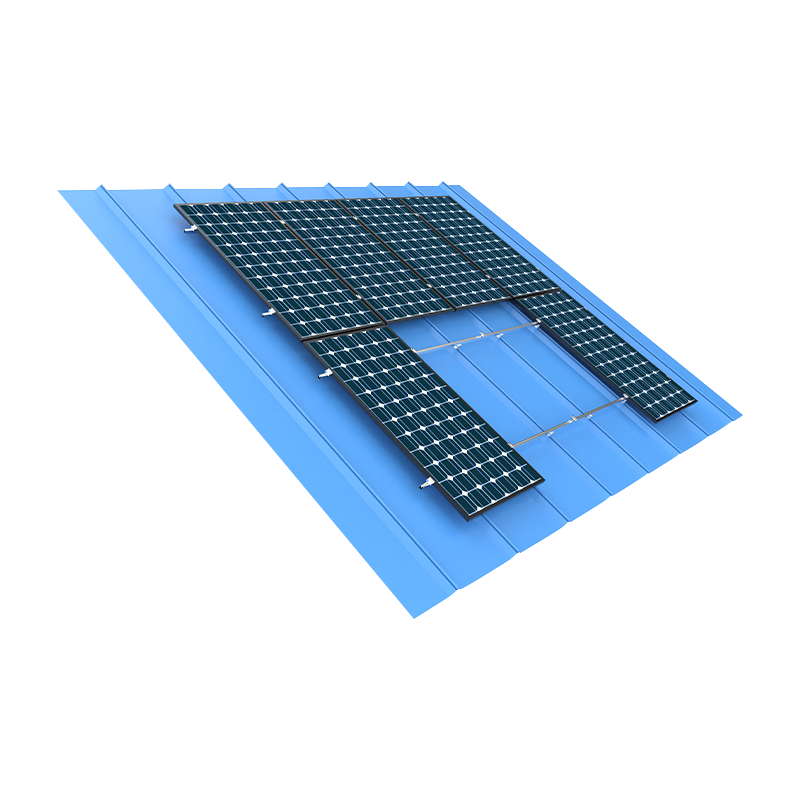
2026/09/03配送センターの屋上にある 500 kW のアレイでは、モジュールが原因で障害が発生することはほとんどありません。嵐でずれたバラストトレイ、特大のフックでひび割れたタイル、不十分に密閉された貫通部によって開いた膜の継ぎ目など、フレームが屋根に接する部分で失敗します。ソーラールーフブラケットはまさにその接合部に設置されており、25 年以上にわたって嵐のたびにあらゆるキログラムのアレイを運び続けます。 購入の際に適用されるルールは次のとおりです。屋根の構造、防水システム、現場での風雪の荷重によって、どのブラケットが必要かが決まります。価格は最後に来ます。逆の順序でブラケットを選択する(最初に単価、後から構造)ことは、屋上太陽光発電における雨漏りのクレームや暴風雨による被害の最も一般的な原因です。 この記事では、ブラケット システムの内容、主なタイプが特定の屋根表面にどのように対応するか、アルミニウムと亜鉛メッキ鋼板がそれぞれどのような用途に適しているか、注文書に署名する前にどの仕様番号を要求する必要があるかについて説明します。最初に概要を知りたい場合は、 屋上太陽光発電設置システム カテゴリは、完全な製品ラインがどのように構成されているかを示します。 ソーラールーフブラケットシステムの内容 サプライヤーはこの用語を大まかに使用します。これは通常、次の 3 つのコンポーネント グループから構築された完全な取り付けアセンブリを意味します。 屋根用アタッチメント — タイル交換用フック、スタンディングシームクランプ、垂木または母屋に固定された L 型脚、または留め具の代わりに重量でアレイを押さえるバラストトレイ。 取り付けレール — アルミニウム製プロファイル、一般的に 40 ~ 45 mm シリーズで、アタッチメント間にまたがり、クランプをスライドさせてレールに沿ってどこでもロックできるスロット チャネルを備えています。 モジュールクランプとハードウェア — フレームの高さ (通常 30 ~ 40 mm) に合わせた中間および端のクランプ、ボルト、T ナット、接地ワッシャー。 組み立てには 3 つの仕事があります。1 つは死荷重と活荷重 (風による浮き上がり、雪、整備作業員) を構造物に運ぶことです。防水層をそのままにしておきます。数十年にわたって緩むことなく列の傾きと位置合わせを維持します。最初のジョブを管理しても、2 番目または 3 番目のジョブに失敗したブラケットは、ハードウェアの節約を屋根ふきの請求書に変換します。 ブラケットを屋根面に合わせる 屋根表面のタイプは選択の最初のフィルタです。見積段階で不一致が見つかった場合は、電話での問い合わせが必要になります。現場で同じ不一致が見つかった場合は、やり直しが必要になります。 陸屋根: 非貫通型と貫通型 平らな屋根や傾斜の低い屋根では、重量と貫通力の間で決定します。非貫通(バラスト付き)システムは、通常 10 ~ 15 度傾斜しており、コンクリート ブロックや舗装材によって固定されており、膜に穴を開ける必要がありません。これは、膜の保証や屋上の設備が関係する場合に決定的な利点となります。トレードオフは死荷重です。バラストによりかなりの分散重量が追加されるため、屋根の予備容量の構造的な見直しは形式的ではなく必須です。貫通システムは膜を通って構造デッキに固定されます。軽量で、強風地帯での性能も優れていますが、すべての貫通部をフラッシュして密閉する必要があるため、品質管理は設置作業員に委ねられます。 バラストアプローチの参考設計として、下のカードは防水層に触れずに構成された陸屋根システムを示しています。 非貫通型 PV 取り付け 非貫通型 PV 取り付け is a mounting system designed for concrete flat roofs. Prefabricated concrete counterweights are used to avoid drilling holes to damage the... 製品を見る→ 風荷重が厳しく、デッキがアタッチメントを受け入れることができる場合、アンカー設計により、バラスト重量に依存するのではなく、揚力が直接構造物に伝達されます。 貫通型PVマウント 貫通型 PV マウントは、ボルト、クランプ、ボルトなどを介して屋根ベース (コンクリート、メタル カラー スチール タイルなど) を直接貫通する太陽光発電サポート システムです。 製品を見る→ 傾斜屋根: 金属、タイル、TPO カバー 傾斜屋根では、アタッチメントはカバーに続きます。スタンディングシームと台形の金属屋根には、穴あけなしでシームを掴むクランプ式ブラケットが採用されており、コーティングと保証の両方を維持します。瓦屋根では、垂木に固定されたステンレス製の交換用フックが使用され、カットまたはシム加工されたタイルの下に配置されるため、ウェザーラップは無傷のままです。 TPO およびその他の単層メンブレンには、溶接または接着された補強パッドを備えた荷重分散プレートが必要です。そのため、メンブレンはバイパスされずに防水層として残ります。すべてのカバーにおいて、レールの間隔は垂木のレイアウトを尊重する必要があります。経験豊富なサプライヤーが見積もりの前に屋根の図面を求める実際的な理由はこれです。 特に金属屋根の場合、以下のカードは、一般的な立継ぎ目と台形プロファイルを中心に設計されたシームクランプ取り付けとレールのスパンを示しています。 金属屋根の PV マウント 金属屋根の PV マウント is an installation system designed for metal roofs such as color steel tiles and galvanized sheets. It uses a clamp-type non-penetrating fixing ... 製品を見る→ アルミニウム合金 vs 亜鉛メッキ鋼: それぞれの素材が有利な点 最初に結論を述べます。陽極酸化アルミニウム合金は、ほとんどの屋根のレールと小さなブラケットのデフォルトですが、スパンが長い場合、バラストフレームが重い場合、または予算の制約が大きい場合には、溶融亜鉛めっき炭素鋼がその役割を果たします。この分割は、4 つの測定可能なプロパティから導き出されます。 アルミニウムは重量に敏感で腐食しやすい屋根に適しています。亜鉛メッキ鋼板は、より低い材料コストでより大きな荷重に耐えます。 プロパティ 陽極酸化アルミニウム合金 溶融亜鉛めっき炭素鋼 密度 約 2,700 kg/m3 — 鋼鉄の約 3 分の 1 の重量 約 7,850 kg/m3 — 重いが硬い 腐食挙動 自然酸化層と陽極酸化処理;沿岸部と湿気の多い空気を適切に処理します 亜鉛コーティングがベーススチールを保護します。コーティングの厚さが耐用年数を決定する 構造的能力 剛性が低い。より厚いプロファイルまたはより狭い取り付け間隔が必要です より高い強度と剛性。長いレールとバラストフレームに適しています 一般的な屋上での使用 レール、中間および端のクランプ、タイルフック、シームクランプ バラストトレイ、貫通陸屋根フレーム、BIPV 下部構造 コスト行動 アルミニウム市場を追跡します。軽量化によりプレミアムの一部が相殺される キログラムあたりのコストは低いが、輸送と取り扱いが重くなる 密度ギャップがテーブルの大部分を左右します。並べて視覚化すると: アルマイト処理アルミニウム合金(6xxxシリーズ) 2,700kg/m3 溶融亜鉛めっき炭素鋼 7,850kg/m3 このギャップがあるため、ハイブリッド アプローチが一般的であり、健全です。つまり、スチール製のバラスト フレームまたはアルミニウム レールを支える基礎構造で、2 つの金属が接触する場所には必ずステンレス製の留め具と絶縁ワッシャーを使用するため、ガルバニック腐食が始まることはありません。 ご注文前に確認すべき5つの仕様 ブラケットのサプライヤーにとって最も速いフィルターは、形容詞の代わりに数字をリクエストすることです。書面による回答が必要な分野は次の 5 つです。 構造設計の入力。 設計が計算された風速、積雪荷重、および地形カテゴリー — 真剣なサプライヤーは、パンフレットの値ではなく、プロジェクト固有の計算を発行します。 コーティング値。 アルミニウムの陽極酸化皮膜クラス (一般的に AA15 または AA20 と呼ばれます)。鋼鉄の亜鉛層の厚さ、たとえば屋外用の溶融亜鉛めっきの場合は約 65 ~ 85 μm、またはコーティング後に部品が形成される場合は約 275 g/m² のプレ亜鉛めっきシートです。 ファスナーのグレード。 ステンレス A2 (304) をベースラインとして、海岸やプールの近くでは A4 (316) を使用します。 防水インターフェース。 バラスト脚の下の EPDM パッド、貫通用の水切りプレート、および膜と互換性のある接触材料 - 接触面が検証されている膜の種類を尋ねてください。 公差とトルク。 信頼性の高い T ナットのかみ合いを実現するスロット幅の一貫性、配送長さにわたるレールの真直度、および取り付けマニュアルに記載されているクランプ トルク値。 これら 5 つの項目に図面とテスト参考資料を添えて回答するサプライヤーは、より低い単価で回答するサプライヤーよりも基本的に安全な購入となります。 表面化する調達リスク ブラケットの問題のほとんどは上流で購入され、数か月後に発見されます。繰り返し発生するもの: 荷重文書なしでキログラム単位で購入することは、通常、壁が最も薄く、許容範囲が最も広いことを意味します。これは、最初の深刻な風イベントで発見されました。 バラストシステムの構造レビューをスキップし、オーナーのエンジニアが死荷重を拒否した後にレイアウトを再設計します。 あるタイルのプロファイルに合わせたサイズのタイル フックを別のタイルの下に取り付けると、タイルがひび割れたり、天候の影響で壊れたりします。 裸のスチールとアルミニウムの部品を分離せずに混合すると、後に汚れや焼き付きボルトとして現れる電解腐食の種が発生します。 設置マニュアル、トルクテーブル、または予備の留め具なしで配送を受け入れ、日割りで請求する作業員を失速させます。 フルラインメーカーがハードウェア以外に何を追加するか ルーフ ブラケットはコンポーネントとして購入されますが、システム決定の一部として選択されます。 Suneast New Energy (Taizhou Dongsheng New Energy Technology Co., Ltd.) は、2009 年以来このベースに基づいて取り組み、平屋根および傾斜屋根ラインから BIPV 防水システムに至るまで、地上、農業、漁業、およびカーポートの取り付けと並行して、分散型 PV 支持構造を供給しています。上記のリスクのほとんどは工場ではなく設計と指導の段階で解決されるため、同社が規定するサービス チェーン (初期の現場評価、設計、調達、設置ガイダンス、その後のメンテナンス) は屋根プロジェクトに直接対応します。 機能面では、同社は ISO 品質管理システムに基づいて運営されており、複数のラッキング特許を取得しています。同社が報告した数字には、2023年に供給された1.5GWを超える分散型ラックと、江蘇省の200MWpの漁業太陽光発電プロジェクトへの参加が含まれている。このサプライヤーを含め、どのサプライヤーを候補に挙げても、特定の屋根のタイプと現場の構造計算パッケージに関する参考資料を求めます。 設置の仕上がりによって、屋根との接触時にどれだけの設計マージンが残るかが決まるため、このような詳細なチュートリアルが必要です 屋上 PV 取り付け設計および設置ガイド 作業が始まる前に乗組員の説明を受ける価値があります。 購入者にとっての最終ポイント まず屋根の表面と構造からブラケットのカテゴリを選択します。耐荷重に余裕のあるメンブレン用のバラスト非貫通、強風地帯用のアンカー貫通システム、金属用のシームクランプ、タイル用の交換用フック、TPO用の溶接パッドなどです。環境とスパンに応じて材料を修正し、デフォルトでは陽極酸化アルミニウム、負荷が必要な場合は亜鉛メッキ鋼板を使用し、文書化された負荷、コーティングの厚さ、ファスナーのグレード、トルク仕様で注文を完了します。この順序で指定すると、ブラケットのコストは最も安い見積もりよりも数パーセント高くなり、屋上太陽光発電の最も高価な 2 つの故障モードである水の浸入と風による損傷を取り除くことができます。 .article-section table{display: table!important;}.article-section thead{display: table-header-group!important;}.article-section tbody{display: table-row-group!important;}.article-section tr{display: table-row!important;}.article-section th{display: table-cell!important;}.article-section td{display: table-cell!important;}.article-section caption{caption-side:bottom;font-size:16px;margin-bottom:12px;font-style:italic;color:#808080;}.article-section th{font-weight:bold;border:1px solid #cccccc;padding:8px;}.article-section td{border:1px solid #cccccc;padding:8px;}.article-section ol{margin-bottom:12px;list-style-type:decimal;list-style-position:inside;padding-left:0;}.article-section ul{margin-bottom:12px;list-style-type:disc;list-style-position:inside;}.article-section li{list-style:inherit;font-size:16px;margin-bottom:6px;}.article-section h2{font-size:22px;font-weight:bold;text-align:left;margin-bottom:12px!important;}.article-section h3{font-size:16px;font-weight:bold;text-align:left;margin-bottom:12px;}.article-section p{font-size:16px!important;margin-bottom:12px;}.article-section .chart{margin:12px 0 16px;}.article-section .chart-row{margin-bottom:10px;}.article-section .chart-label{margin-bottom:4px;}.article-section .chart-bar{height:24px;background:#2f6db5;color:#ffffff;font-size:14px;line-height:24px;padding-left:8px;}.article-section .chart-bar-al{width:34%;}.article-section .chart-bar-steel{width:100%;} .product-card{display:block;margin:20px 0;border:1px solid #e5e7eb;border-radius:10px;overflow:hidden;font-style:normal;background:#fff}.pc-inner{display:flex;text-decoration:none;color:inherit;align-items:center;min-height:120px}.pc-img{width:160px;min-width:160px;aspect-ratio:4/3;height:auto;min-height:120px;object-fit:cover;flex-shrink:0;display:block;align-self:stretch}.pc-body{padding:12px 16px;flex:1;min-width:0;display:flex;flex-direction:column;align-self:stretch;justify-content:center}.pc-title{display:block;font-size:15px;font-weight:600;color:#111;margin:0 0 6px;line-height:1.4}.pc-desc{display:-webkit-box;font-size:13px;color:#6b7280;margin:0 0 8px;line-height:1.5;overflow:hidden;-webkit-line-clamp:2;line-clamp:2;-webkit-box-orient:vertical}.pc-cta{display:block;font-size:13px;font-weight:600;color:inherit;margin-top:auto}.pc-inner:hover .pc-title{text-decoration:underline} .article-section a:not(.pc-inner),article a:not(.pc-inner){color:inherit}.pc-cta{color:inherit!important}
2026/09/03
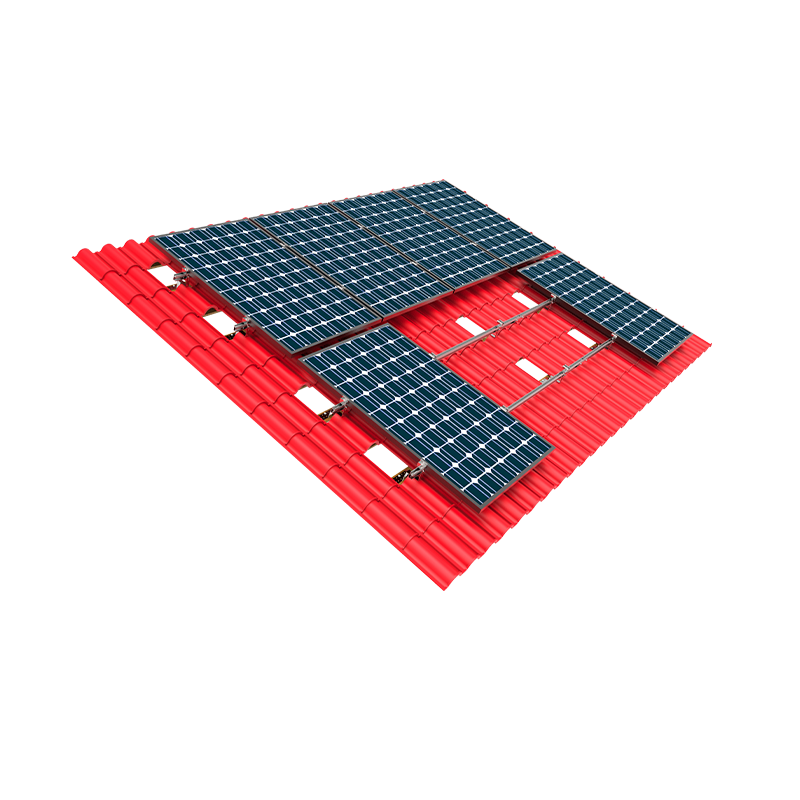
2026/08/27屋上太陽光発電設置の計画は、設置業者が去った後、パネルを実際に支えているのは何なのかという疑問から始まります。私が見た 500 kW の商業プロジェクトでは、屋根膜が指定された貫通アタッチメントを受け入れることができなかったため、元のラッキング設計が途中で変更されました。請負業者はバラストのレイアウトを再設計し、屋根の荷重を再計算する必要がありました。教訓は単純です。屋根の PV 取り付けシステムは付属品ではありません。安全性、防水性、長期的な性能を決定するのは構造層です。 正しい選択は、屋根のタイプ、荷重要件、材料の適合性、設置方法によって異なります。この記事では、コンポーネント、屋根固有のオプション、購入前に評価する必要がある要素について説明します。 屋根用太陽光発電設置システムはどのように機能するのでしょうか? 屋根の PV 取り付けシステムは、いくつかの標準部品から構築されています。これらのコンポーネントは連携してモジュールを正しい角度に保持しながら、建物の構造に荷重を伝達します。 3 つの主要コンポーネントは、ルーフ アタッチメント、取り付けレール、モジュール クランプです。屋根アタッチメントは、屋根に接続するアンカーまたはブラケットです。取り付けレールは水平または垂直に延びて支持面を形成します。モジュールクランプはソーラーモジュールをレールに固定します。 屋根の付属品: ラックを屋根に固定するアンカー、フック、またはバラスト フレーム。 取り付けレール: パネルの安定した支持面を作成する構造プロファイル。 モジュール クランプ: モジュール フレームを掴んでレールに固定するハードウェア。 フラッシングとシール: 貫通点での水の浸入を防ぐコンポーネント。 これらを超えて、すべての屋根貫通部には防水水切りが必要です。水切りの品質によって、屋根が 20 年間乾燥した状態を維持できるかどうかが決まります。耐食性も重要です。ほとんどの屋根システムはアルミニウム合金または溶融亜鉛メッキ鋼板で作られています。アルミニウムは軽量で錆びにくいのが特徴ですが、価格は高くなります。亜鉛メッキ鋼は丈夫で経済的ですが、設置中にコーティングが損傷する可能性があります。鋼材が水にさらされると、錆により構造が弱くなり、屋根が汚れる可能性があります。 屋根のタイプに適したラッキング システムの選択 陸屋根 平らな屋根は商業用および工業用の建物では一般的です。多くの場合、単層膜で覆われたコンクリートデッキが付いています。取り付け方法には主に 2 つあります。貫通式と非貫通式です。貫通システムはデッキにボルトで固定されるため、慎重にシールする必要があります。非貫通システムはバラストウェイトを使用してラックを押さえるため、屋根に貫通部分がありません。ルーフデッキの状態が良好で、十分な耐荷重がある場合は、非貫通型が好まれることがよくあります。私たちの 非貫通平屋根太陽光発電設置システム メンブレンを無傷に保ちながら、アレイに安定したサポートを提供します。また、屋根に切り込みを入れる必要がないため、設置プロセスが簡素化されます。 コンクリートバラストを備えた非貫通平屋根太陽光発電設置システム コンクリート平屋根用に設計されたこのシステムは、プレハブウェイトを使用することで穴あけを避け、防水膜を保護します。 10~30°の傾斜調整が可能で、二重ガラスや軽量パネルに適しており、メンテナンスの手間を省いて迅速に設置できます。 製品を見る→ 金属屋根 金属屋根には、立ち継ぎ目、台形、波形のプロファイルがあります。取り付け方法はプロファイルによって異なります。立ち縫い目の場合、穴あけ加工をせずにクランプを縫い目に取り付けることができます。台形または波板の場合、通常、ブラケットはリブの上部に固定されます。雨漏りや錆の原因となる可能性があるため、金属屋根シートの平らな部分に直接固定しないでください。の 金属屋根用太陽光発電設置システム シートの損傷を防ぐために、リブ固有のブラケットと互換性のあるハードウェアを使用しています。また、屋根とパネルの間に隙間を維持して空気の流れを確保し、メンテナンスを容易にします。 クランプ式非貫通金属屋根太陽光発電架台システム 台形および直立シーム金属屋根の場合、このシステムはクランプで取り付けられ、穴あけを避け、屋根の防食層を維持します。さまざまなプロファイルにフィットし、さまざまな傾斜に調整できるため、大規模な工業用および商業用の建物に最適です。 製品を見る→ 瓦屋根 瓦屋根は住宅や一部の商業プロジェクトで人気があります。壊れやすいため、設置者は慎重に作業する必要があります。標準的な方法では、取り付けポイントのタイルを取り外し、フックを取り付けてから、タイルをスライドさせて所定の位置に戻します。フックは、さまざまなタイルのプロファイルやレールの高さに合わせて調整できる必要があります。の 瓦屋根用太陽光発電架台システム 調整可能なフックと幅広のベースを備えた設計で圧力を分散し、タイルのひび割れや破損のリスクを軽減します。 セラミックおよびスレート用の調整可能な瓦屋根 PV 取り付けシステム セラミック、セメント、スレート タイル用に設計されたこの取り付けシステムは、調整可能なフックと幅広のベースを使用して重量を分散し、タイルの損傷を軽減します。さまざまな斜面や輪郭に対応し、漏れのない確実な設置を保証します。 製品を見る→ TPO屋根 TPO 屋根は、平らな屋根または緩やかな傾斜の屋根に一般的に使用される柔軟な膜です。これらは温度によって膨張および収縮するため、貫通部は圧縮フィッティングとメンブレンと一緒に移動できるフラッシングで密閉する必要があります。ただし、多くの設置業者は TPO に合わせて非貫通システムを好みます。膜が古くなったり脆くなったりすると、留め具に応力点が生じる可能性があります。 TPO に取り付ける前に、メンブレンのタイプ、使用年数、および保証要件をメーカーに確認してください。 購入前に考慮すべき重要な要素 屋上 PV 設置システムを比較する場合、評価すべき最も重要な要素は次のとおりです。 風雪荷重: 地域の建築基準法とプロジェクトの場所に基づいて計算します。 耐食性: 適切な表面処理が施されたアルミニウムまたは溶融亜鉛メッキ鋼板を選択してください。 屋根の状態: 設置前に、既存の損傷、経年劣化、水たまりがないか検査してください。 隙間と換気: 屋根とモジュールの間に最小限の隙間を維持して、空気の流れを確保し、動作温度を低く保ちます。 互換性: クランプとレールがモジュール フレームの寸法と方向に適合していることを確認します。 屋根タイプごとの屋根 PV 取り付けに関する考慮事項の比較 屋根の種類 一般的な取り付け方法 主なリスク 確認すべきこと 陸屋根 バラスト付き / 非貫通または貫通 膜の損傷または滞留 屋根耐荷重、列間隔 金属屋根 シームクランプまたはリブブラケット ファスナー周りの腐食 縫い目のタイプ、コーティング、ファスナーの互換性 瓦屋根 タイルフックまたは交換用タイル タイルのひび割れや雨漏り タイルの形状、フックの形状、レールの間隔 TPO屋根 非貫通または密閉された貫通 膜の収縮と漏れ 膜年齢、取り付け承認 インストールのヒントとよくある落とし穴 システムが正しく設計されていない場合、屋根への取り付けで最も問題が発生します。避けるべき5つの落とし穴を紹介します。 クランプの締めすぎ: トルク仕様が重要です。過剰なトルクはモジュールのフレームを歪め、微小亀裂を引き起こし、出力を低下させる可能性があります。 熱膨張の無視: レールとパネルは高温になると膨張します。システムが緩むことなく動くことができるように、ファスナーの周囲に適切な隙間を残してください。 間違った水切りの使用: 汎用の水切りは屋根固有の水切りを置き換えることはできません。各屋根のタイプには、その付属品と材質に適合するシールが必要です。 荷重の集中: モジュールやバラストを 1 か所に保管すると、屋根の局所的な容量を超える可能性があります。屋根全体に重量を分散させます。 現場調査を省略する: 屋根が構造的に無傷であるだけでは十分ではありません。取り付ける前に、既存の錆、湿気、屋根の状態を確認する必要があります。 信頼できるサプライヤーは、設置ガイド、図面、場合によってはオンサイト サポートを提供する必要があります。設置後、定期的にチェックすることで、深刻な問題になる前にクランプの緩みや腐食を検出できます。 適切な屋根 PV 設置システムを選択することは、構造の安全性、防水性、プロジェクトの経済性に関わる決定です。まずは屋根を明確に理解し、次にシステムをその制約に合わせます。設計とインストール手順の詳細なチュートリアルについては、「 屋根用太陽光発電設置システムの設計と設置に関する完全ガイド 。適切なラックを設置すれば、太陽光発電プロジェクトは何十年にもわたって安全かつ効率的に運営できます。 .article-section table{display: table!important;}.article-section thead{display: table-header-group!important;}.article-section tbody{display: table-row-group!important;}.article-section tr{display: table-row!important;}.article-section th{display: table-cell!important;}.article-section td{display: table-cell!important;}.article-section caption{caption-side:bottom;font-size:16px;margin-bottom:12px;font-style:italic;color:#808080;}.article-section th{font-weight:bold;border:1px solid #cccccc;padding:8px;}.article-section td{border:1px solid #cccccc;padding:8px;}.article-section ol{margin-bottom:12px;list-style-type:decimal;list-style-position:inside;padding-left:0;}.article-section ul{margin-bottom:12px;list-style-type:disc;list-style-position:inside;}.article-section li{list-style:inherit;font-size:16px;margin-bottom:6px;}.article-section h2{font-size:22px;font-weight:bold;text-align:left;margin-bottom:12px!important;}.article-section h3{font-size:16px;font-weight:bold;text-align:left;margin-bottom:12px;}.article-section p{font-size:16px!important;margin-bottom:12px;} .product-card{display:block;margin:20px 0;border:1px solid #e5e7eb;border-radius:10px;overflow:hidden;font-style:normal;background:#fff}.pc-inner{display:flex;text-decoration:none;color:inherit;align-items:center;min-height:120px}.pc-img{width:160px;min-width:160px;aspect-ratio:4/3;height:auto;min-height:120px;object-fit:cover;flex-shrink:0;display:block;align-self:stretch}.pc-body{padding:12px 16px;flex:1;min-width:0;display:flex;flex-direction:column;align-self:stretch;justify-content:center}.pc-title{display:block;font-size:15px;font-weight:600;color:#111;margin:0 0 6px;line-height:1.4}.pc-desc{display:-webkit-box;font-size:13px;color:#6b7280;margin:0 0 8px;line-height:1.5;overflow:hidden;-webkit-line-clamp:2;line-clamp:2;-webkit-box-orient:vertical}.pc-cta{display:block;font-size:13px;font-weight:600;color:inherit;margin-top:auto}.pc-inner:hover .pc-title{text-decoration:underline} .article-section a:not(.pc-inner),article a:not(.pc-inner){color:inherit}.pc-cta{color:inherit!important}
2026/08/27






 中国江蘇省泰州市海陵区鳳凰東路60号文創ビル11階